If you’re comparing a dental implant vs. dental bridge, the decision usually comes down to more than replacing a missing tooth. You want a solution that feels comfortable, functions naturally, and continues to support your oral health years from now.
Both dental implants and bridges can restore your smile and improve your chewing ability, but they work very differently beneath the surface. The right choice depends on your oral health, the condition of the surrounding teeth, and what you want the result to look and feel like long-term.
Dental Bridge vs. Dental Implant at a Glance
| A dental bridge may be preferred when... | A dental implant may be preferred when... |
|---|---|
| neighbouring teeth already need crowns or larger restorations | surrounding teeth are healthy and worth preserving |
| a shorter treatment timeline is preferred | long-term bone preservation is a priority |
| medical conditions affect surgical healing | maximum stability and longevity are important |
| bone loss limits implant placement without grafting | replacing teeth without altering surrounding tooth structure is important |
| a non-surgical approach feels more appropriate | maintaining independent tooth structure matters long term |
How a Dental Bridge Works
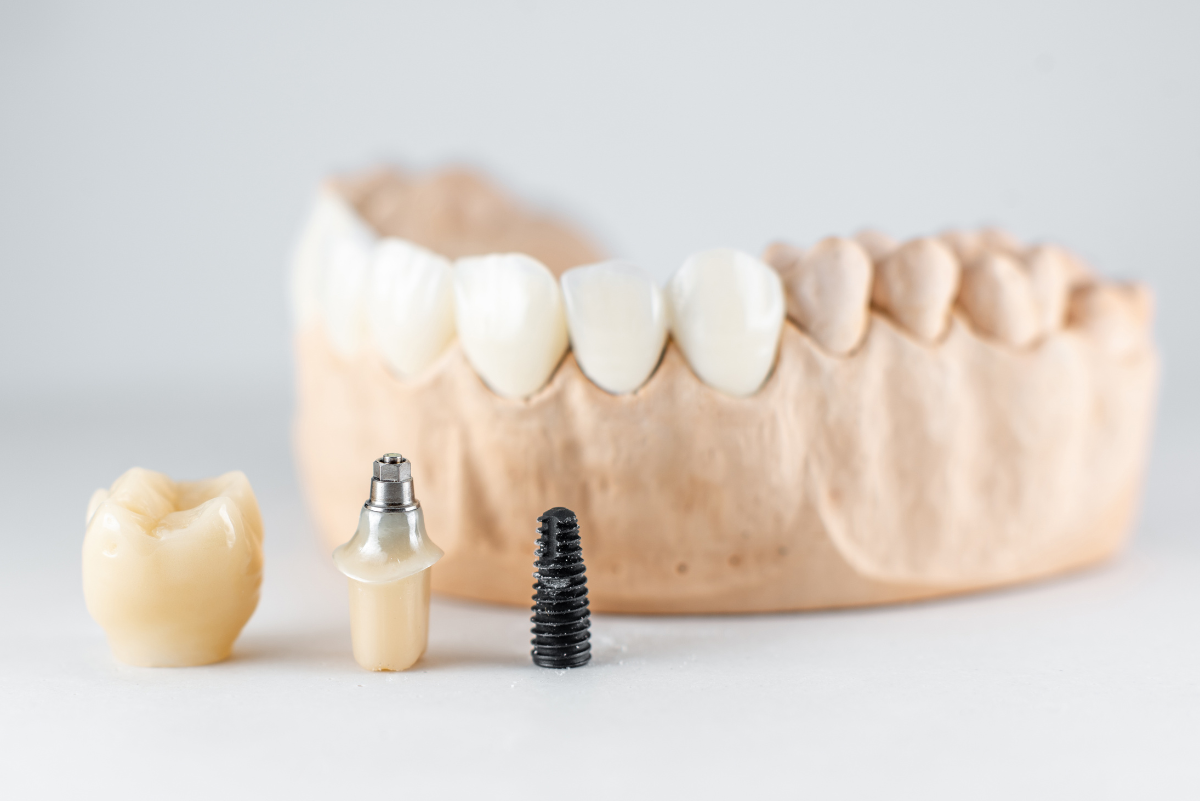
A dental bridge replaces a missing tooth by anchoring an artificial tooth between two neighbouring teeth. To support the bridge, your dentist reshapes the teeth on either side of the space so crowns can hold the restoration securely in place.
Bridges have been used successfully for decades and remain a practical treatment option in many situations, particularly when the surrounding teeth already need crowns or larger restorations.
Most traditional bridges:
- stay fixed in place
- restore chewing function and appearance
- require less healing time than implants
- can often be completed within a few weeks
A bridge replaces the visible portion of the missing tooth, but it does not replace the root beneath the gums. That distinction affects how the jawbone changes over time after tooth loss.
How a Dental Implant Works
A dental implant replaces both the visible tooth and the root beneath it. The implant itself is a small titanium post placed directly into the jawbone. Once healing is complete, a custom crown attaches to the implant to restore the appearance and function of the missing tooth.
Because the implant integrates with the surrounding bone, it functions more like a natural tooth than other replacement options.
Patients often choose implants because they:
- don't rely on neighbouring teeth for support
- help maintain jawbone structure
- feel stable and natural while eating
- can last decades with proper care
Dental implant treatment usually takes longer than bridge treatment because the implant needs more time to heal and integrate with the bone. In many cases, that additional treatment time supports a more stable long-term result.
Dental Implant vs. Dental Bridge: The Long-Term Differences
The biggest differences between a dental implant and a bridge often become more noticeable over time. Surrounding tooth structure, bone support, maintenance requirements, and long-term durability all factor into how each restoration performs years after treatment.
Impact on Nearby Teeth
A traditional bridge relies on neighbouring teeth for support, which means healthy enamel must be reshaped to hold the dental restoration in place. Those supporting teeth will always require crowns moving forward, and if one becomes damaged later, the entire bridge would be impacted and may need to be replaced.
An implant stands independently and leaves surrounding teeth untouched. For patients with otherwise healthy adjacent teeth, preserving natural tooth structure can become a major advantage long-term.
Jawbone Changes After Tooth Loss
When a tooth is lost, the jawbone beneath it gradually loses stimulation from the missing root. Over time, the bone in that area begins to shrink.
Because a dental bridge replaces only the visible portion of the tooth above the gum line, bone loss can still occur beneath the restoration. An implant integrates directly with the jawbone and helps maintain stimulation in that area, which may better preserve bone and gum contours over time.
This difference often becomes more noticeable in long-term treatment planning, particularly in visible areas of the smile.
Daily Cleaning and Maintenance
Dental bridges and implants can both function well for many years with proper care, but their maintenance requirements differ.
A bridge joins teeth together and requires specialized cleaning beneath the restoration to prevent plaque accumulation around the supporting teeth. Tools like floss threaders and interdental brushes are especially helpful. Dental implants can usually be brushed and flossed the same as natural teeth.
Consistent hygiene and regular professional care remain essential either way. However, patients who prefer simpler day-to-day cleaning routines often lean toward implants for that reason alone.
Treatment Timeline and Healing
A dental bridge is typically a faster treatment process often completed in two to three appointments over 2 to 4 weeks.
Dental implants involve multiple treatment phases:
- Implant placement
- Healing and bone integration
- Final crown placement
Healing timelines for dental implants vary depending on bone quality, grafting needs, and overall oral health. Some implant cases move quickly, while others require several months from start to finish.
Cost Considerations Over Time
Cost often plays a role when comparing a dental implant vs. dental bridge.
A bridge generally costs less upfront. For some patients, especially when neighbouring teeth already require crowns, that approach may make practical and financial sense.
Dental implants typically involve a higher initial cost because treatment includes surgical placement, healing time, and the final restoration. However, implants also function independently and may reduce the likelihood of future treatment involving adjacent teeth.
Long-term maintenance, durability, and the condition of the surrounding teeth can all influence how patients evaluate overall value over time. A restoration that appears less expensive initially may require additional replacement or maintenance later, while a more comprehensive treatment may remain stable for decades with proper care.
Choosing the Right Long-Term Tooth Replacement
Replacing a missing tooth affects more than appearance alone. The right treatment should support long-term comfort, chewing function, bone health, and the stability of the surrounding teeth.
For some patients, a dental bridge provides a practical and effective solution with a shorter treatment timeline. For others, preserving bone and avoiding unnecessary changes to neighbouring teeth makes a dental implant the stronger long-term option.
The best decision depends on the condition of your oral health today and how you want the restoration to perform years from now. Eau Claire Park Dental can help you compare those options carefully and create a treatment plan that supports long-term function, comfort, and predictability.
Request a consultation at Eau Claire Park Dental to discuss your goals, review your treatment options, and create a plan that supports your smile for years to come.
Patients exploring fixed tooth replacement options sometimes compare implants and bridges alongside removable solutions as well. If you’re also considering a removable appliance, this comparison of dental implants vs. partial dentures explains how those options differ in terms of stability, maintenance, and long-term oral health.