Dry mouth can increase your risk of cavities, gum disease, bad breath, and oral discomfort. If you’re looking for how to get rid of xerostomia, treatment focuses on improving saliva production, protecting your teeth and oral tissues, and reducing the complications associated with chronic dry mouth.
Xerostomia is the clinical term for persistent dry mouth. While occasional dryness is common, ongoing symptoms often require a more structured management plan. The right approach to treating dry mouth depends on the severity of your symptoms, your overall health, and how much saliva your glands continue to produce.
Most patients benefit from a combination of daily management strategies and preventive dental care.
The Role of Saliva in Oral Health
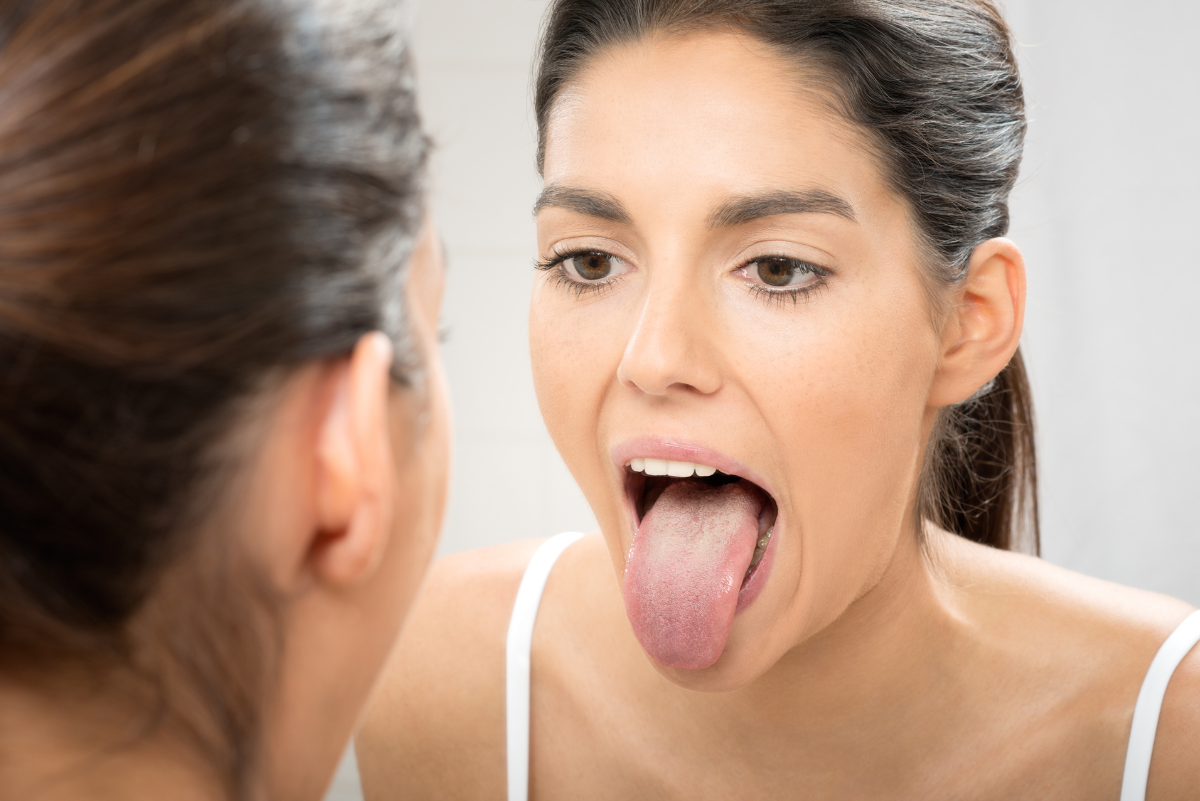
Saliva protects your mouth in ways most people never notice until it becomes scarce. It helps neutralize acids, wash away food particles, support digestion, and limit the growth of harmful bacteria. It also supplies minerals that help repair early enamel damage.
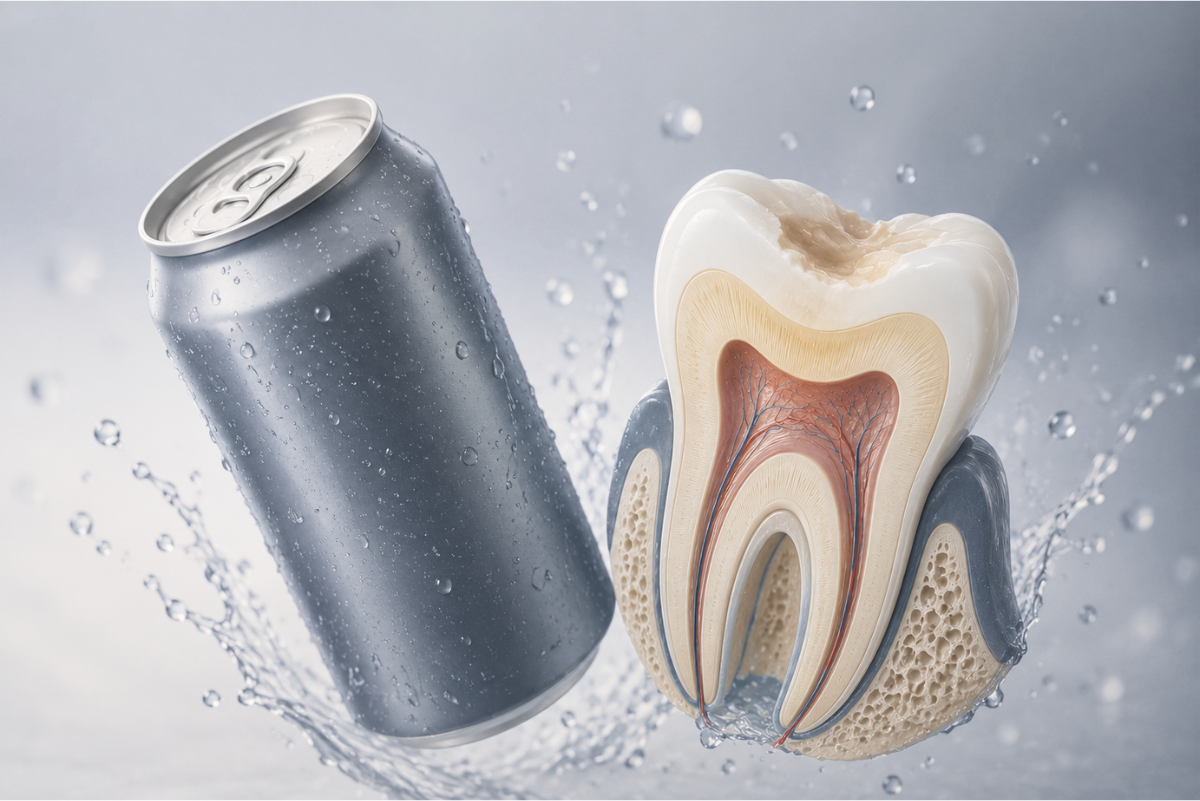
Reduced saliva flow affects more than comfort. Patients with xerostomia often experience increased tooth sensitivity, difficulty swallowing, changes in taste, and a higher risk of cavities.
Treatment should address both the symptoms of dry mouth and the protective functions that saliva normally provides.
How to Get Rid of Xerostomia: 4 Treatment Options
Xerostomia management is rarely a single solution. Most patients see the best results when they combine hydration, saliva stimulation, protective oral care products, and regular visits to their dentist.
1. Stay Hydrated Throughout the Day
Frequent hydration remains one of the most effective ways to manage dry mouth symptoms. Small, consistent sips of water help keep oral tissues comfortable and reduce irritation throughout the day.
Many people find it easier to maintain hydration when they keep a water bottle within reach during work hours. Consistency tends to provide more relief than drinking large amounts of water only a few times per day.
2. Stimulate Natural Saliva Production
If your salivary glands still produce some saliva, stimulation can help increase flow. Sugar-free gum and sugar-free lozenges often encourage saliva production through chewing and taste stimulation. Choose products containing xylitol when possible. They offer an added benefit by helping reduce cavity-causing bacteria.
3. Use Saliva Substitutes When Necessary
Some patients experience significant reductions in saliva production that make stimulation less effective. In these cases, saliva substitutes can help lubricate oral tissues and reduce discomfort.
Saliva stimulation products are available as sprays, rinses, gels, and mouth moisturizers. And while saliva substitutes don't replace the full protective function of natural saliva, they can improve day-to-day comfort and make eating or speaking easier.
4. Use Oral Care Products Designed for Dry Mouth
Patients trying to get rid of xerostomia often require more than a standard toothpaste and mouth rinse. Products designed specifically for dry mouth support oral pH balance, help protect enamel, and reduce cavity risk when saliva production is limited.
Some patients of Eau Claire Park Dental benefit from preventive oral care products such as CariFree formulations or Biotene oral rinse as part of a broader dry mouth management plan.
Recommendations depend on factors such as cavity risk, symptom severity, and overall oral health. During an examination, your dentist can recommend products that fit your specific needs and preventive goals.
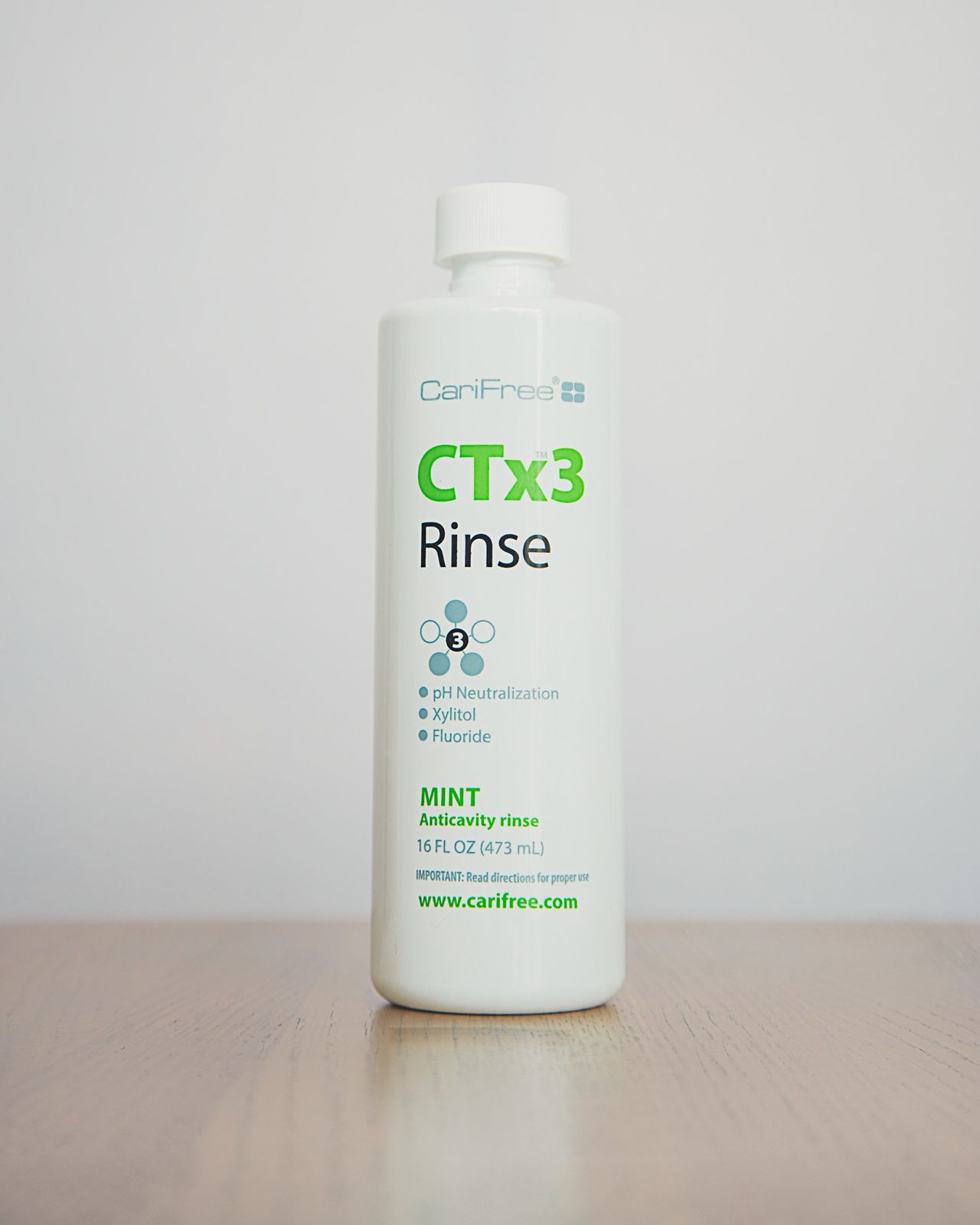
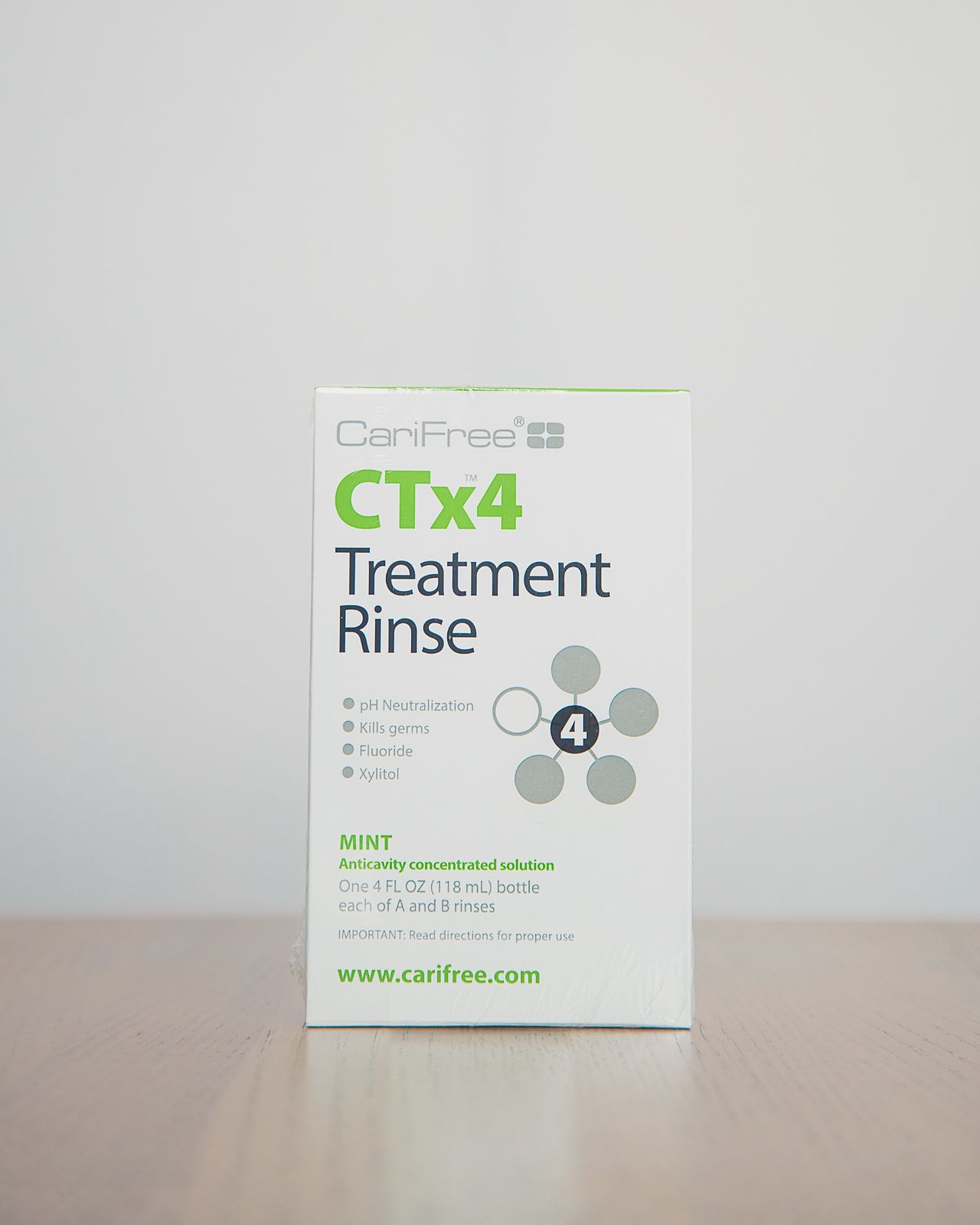
CariFree CTx4 Treatment Rinse and CTx3 Maintenance Rinse. Two products we carry at Eau Claire Park Dental to help patients manage dry mouth and reduce cavity risk.
An overview of the CariFree system, including the CTx4 Treatment Rinse and CariFree toothpaste, and how these products work together to support a healthy oral biome.
Daily Habits That Support Dry Mouth Management
Limit Drying Substances
Alcohol, tobacco, and excessive caffeine can worsen dry mouth symptoms. Reducing your use of these substances may help improve comfort and support saliva production.
Alcohol-containing mouth rinses can create similar challenges. Patients managing xerostomia often benefit from switching to oral care products designed specifically for dry mouth, such as Biotene.
Use a Humidifier at Night
Dry mouth often feels worse in the morning, especially for people who breathe through their mouths during sleep. A bedroom humidifier can help reduce overnight dryness by adding moisture into the air. This is especially helpful during Calgary winters, when indoor heating can make the air even drier.
Avoid Foods That Aggravate Dry Mouth
Low saliva levels can make spicy foods, acidic beverages, and heavily salted snacks feel more irritating than usual. While dietary changes won’t get rid of xerostomia, they can reduce day-to-day discomfort and make eating more comfortable. Pay attention to which foods and beverages trigger discomfort and do your best to avoid or limit those whenever possible.
Professional Monitoring Helps Protect Against Dry Mouth Complications
Managing symptoms is one part of xerostomia treatment. Reduced saliva flow also increases the risk of cavities, enamel demineralization, gum inflammation, and oral infections.
Regular exams allow your dentist to monitor for:
- Early tooth decay
- Enamel changes
- Gum inflammation
- Oral infections
- Changes in soft tissue health
Patients with chronic dry mouth often benefit from a prevention plan tailored to their individual risk factors. Early intervention can help reduce the likelihood of more extensive treatment in the future.
Frequently Asked Questions About Xerostomia
Why is my mouth dry at night?
Dry mouth often feels more noticeable overnight because saliva production naturally decreases during sleep. Mouth breathing, certain medications, and dry indoor air can also contribute to morning dryness.
What is the best treatment for xerostomia?
The most effective treatment depends on the cause of xerostomia, the severity of symptoms, and other factors contributing to your dry mouth. Many patients benefit from a combination of hydration, saliva stimulation, specialized oral care products, and preventive dental care.
Can xerostomia go away on its own?
Temporary dry mouth often improves once the underlying cause is resolved. Chronic xerostomia may require ongoing management, particularly when medications or medical conditions affect saliva production.
Does drinking more water cure xerostomia?
Drinking water can help relieve dry mouth symptoms and improve comfort, but it doesn't address every cause of xerostomia. Many patients require additional strategies to support saliva production and protect their oral health.
Can dry mouth cause cavities?
Yes. Saliva helps neutralize acids, wash away food debris, and protect teeth from decay. When saliva production decreases, the risk of cavities, enamel damage, and other oral health concerns increases.
What are the best over-the-counter products for xerostomia?
Many patients benefit from dry-mouth toothpastes, alcohol-free rinses, saliva substitutes, moisturizing gels, and xylitol-containing gum or lozenges. The most appropriate products depend on your symptoms, cavity risk, and overall oral health.
Protecting Your Oral Health While Managing Xerostomia
Dry mouth affects more than comfort. Reduced saliva flow increases the risk of cavities, enamel damage, and gum disease, which makes long-term prevention an important part of treatment.
Some cases of xerostomia improve with hydration, changes in oral care products, and lifestyle adjustments. Others require a more detailed assessment, particularly when medications, medical conditions, or salivary gland disorders contribute to symptoms.
If you're experiencing persistent dry mouth, mention it at your next appointment. The team at Eau Claire Park Dental can assess how reduced saliva production may be affecting your oral health and recommend strategies to help protect your teeth and gums over time.