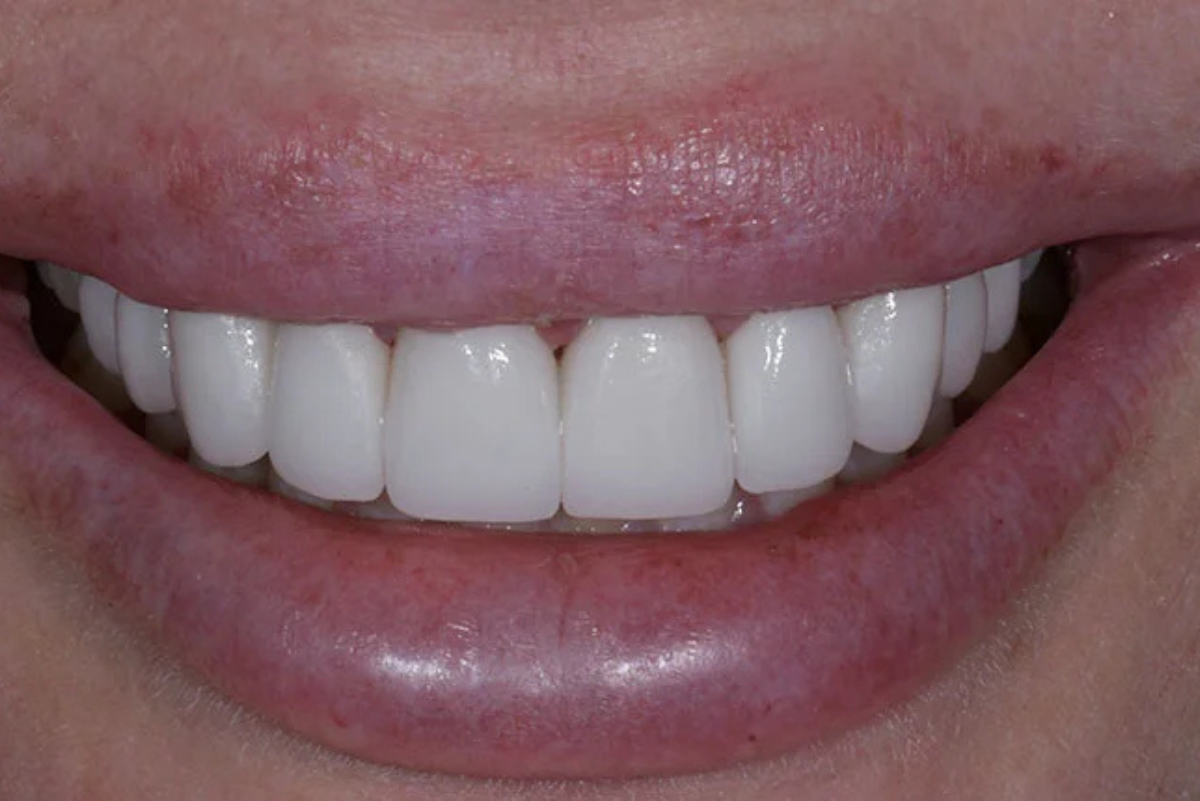
Dental veneers are a long-term investment in your smile. And like most investments, how you care for them determines how long they last. The good news is that veneer maintenance isn’t complicated. With the right daily habits and a few precautions, most patients enjoy their veneers for 10 to 15 years or more.
Start With the Basics: Daily Dental Veneer Care
Veneers don't require a special cleaning routine, but they do require a good one. Porcelain veneers resist staining better than natural enamel, but the teeth beneath them can still develop cavities, and your gum tissue can still be affected by plaque. Maintaining excellent oral hygiene isn't optional after veneer placement; it's essential.
Brushing
- Brush twice daily with a soft-bristled toothbrush
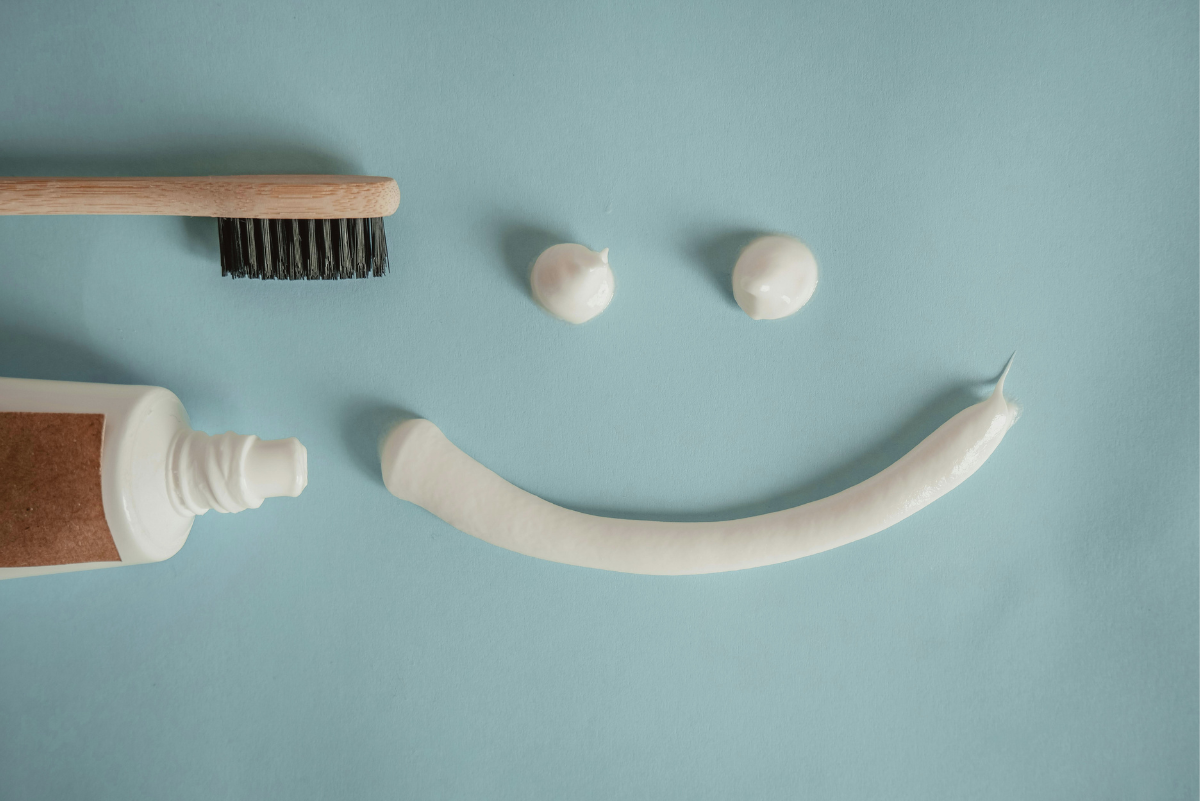
- Use a non-abrasive toothpaste. Avoid whitening formulas with baking soda or silica, as these can dull the polish on your porcelain over time
- Gentle, circular strokes are better than aggressive back-and-forth scrubbing
Flossing
- Floss once daily, just as you would with natural teeth
- Pay attention to the gum line around veneered teeth. This is where buildup is most likely
- Water flossers (WaterPik) are a great complement to string floss and are safe with veneers
Rinsing
- An alcohol-free, pH-balanced mouthwash is preferable. High-alcohol rinses can affect the bonding agent used to secure your veneers over time
- Fluoride rinses are fine and support the health of your underlying teeth
What to Avoid: Habits That Can Damage Veneers
Porcelain veneers are strong. They take on the durability of the tooth structure they're bonded to, but they're not indestructible. A few common habits are worth adjusting after veneer placement.
Hard and Crunchy Foods
Biting directly into very hard foods (ice, hard candies, crusty baguette, beef jerky) can chip porcelain. This doesn't mean eliminating these foods entirely, but it does mean being thoughtful. Cut hard foods into smaller pieces and use your back teeth for chewing rather than your front veneers.
Using Your Teeth as Tools
Opening packages, tearing tags, biting fingernails. These habits put lateral stress on veneers that they aren't designed for.
Whitening Products
Whitening treatments like strips and trays won't change the colour of your porcelain veneers. The bleaching agents in these products work on natural enamel only. Using them after veneer placement can create a mismatch between your veneered teeth and any natural teeth nearby, and harsh formulations can affect the polish of your veneers. If you want to brighten your smile post-treatment, speak with your dentist about your options.
Grinding and Clenching (Bruxism)
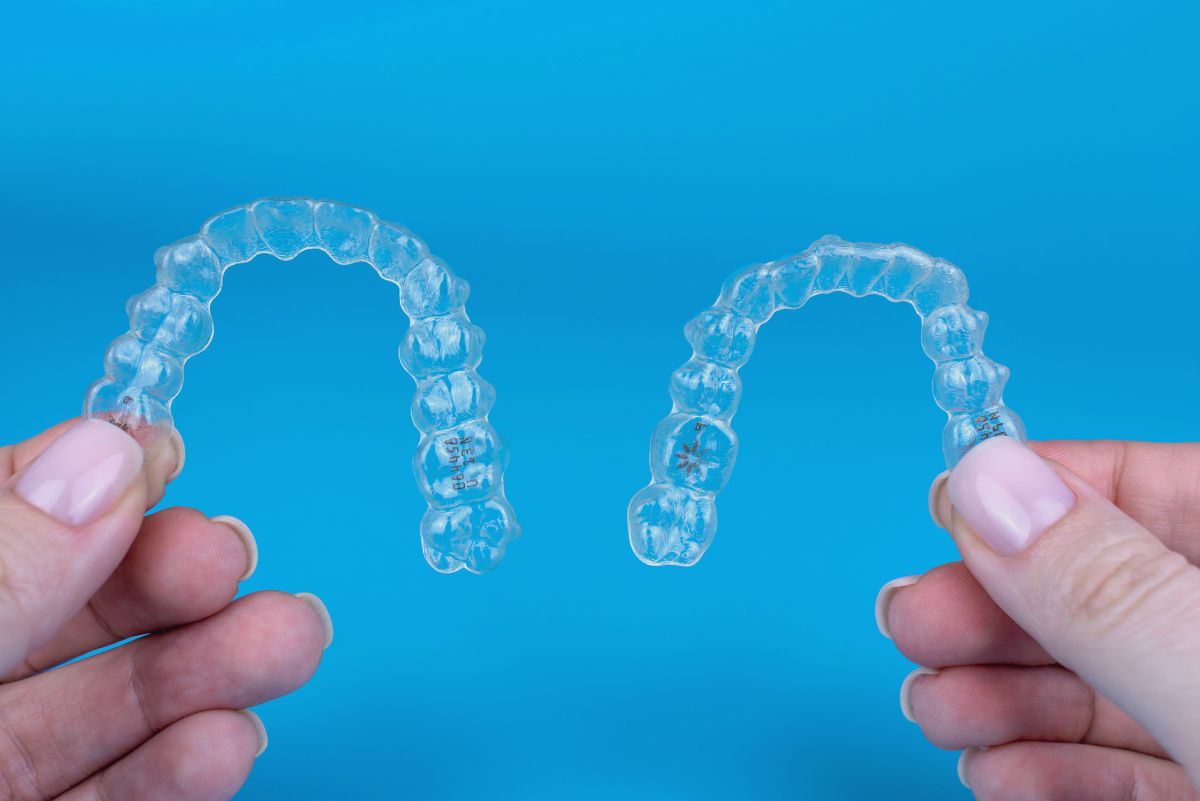
Bruxism is one of the leading causes of veneer damage. The pressure generated during sleep grinding is significant. If you grind or clench, your dentist will recommend a custom nightguard.
Microthin Veneer Care: Is It Different?
Dr. Graas specializes in Microthin veneers: a no-prep, no-drilling approach that preserves your natural enamel entirely. Because no enamel is removed, Microthin veneers are bonded directly to your existing tooth surface, which gives them exceptional strength.
Proper care for Microthin veneers follows the same principles as traditional veneers, with a few nuances worth noting:
- Sensitivity after placement: Because no enamel is altered, most patients experience minimal to no sensitivity after Microthin placement. If you do notice any, it typically resolves within a few days.
- Bonding integrity: The bond between a Microthin veneer and your natural enamel is extremely strong. Avoiding things like biting ice or hard foods will improve longevity.
- Reversibility: Unlike traditional veneers, Microthin veneers are reversible. Your natural enamel remains completely intact beneath them. This doesn't change how you should care for them, but it does offer peace of mind.
- Long-term monitoring: Regular check-ups allow Dr. Graas to assess the condition of your veneers and address any concerns before they become problems.
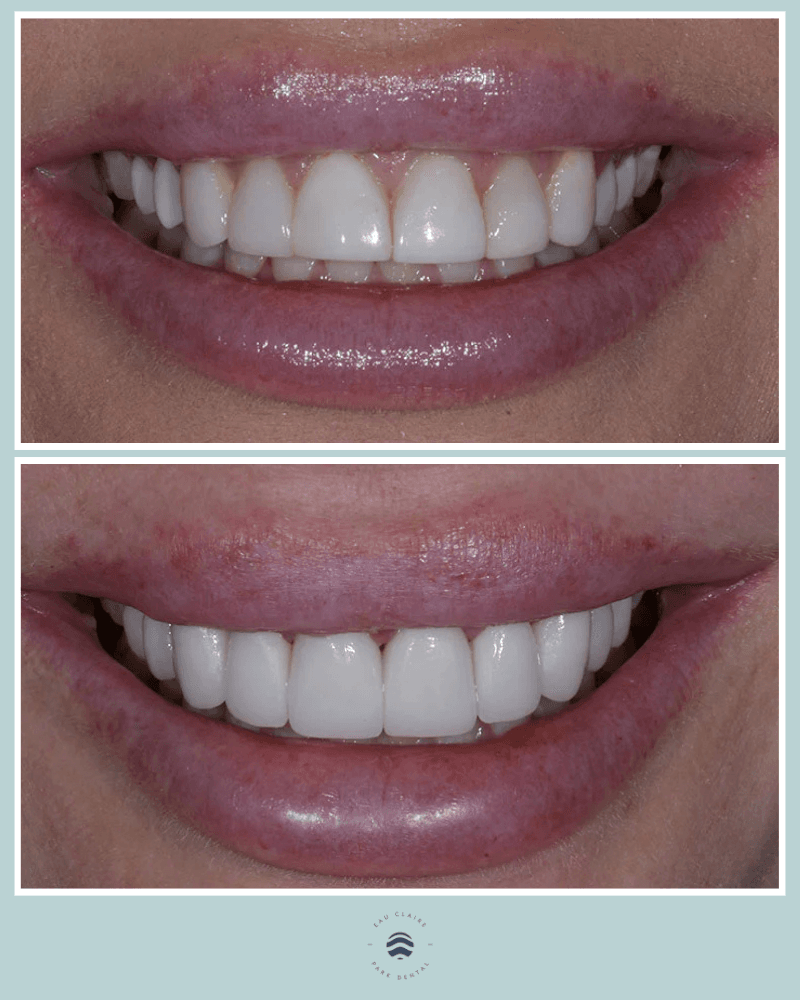
From composite bonding to porcelain veneers. A real patient result from Dr. Graas.
Sports, Travel, and Other Considerations
If You Play Sports
A custom-fitted mouthguard is the best protection for veneered teeth during contact sports. Over-the-counter options don't fit as precisely and offer less protection. We can have one made for you at Eau Claire Park Dental.
If You Travel Frequently
Keep a travel-sized soft-bristled toothbrush and non-abrasive toothpaste with you. Hotel amenity kits often contain whitening or charcoal formulas, so it’s worth checking the label before using.
Staining Foods and Drinks
Porcelain veneers are highly stain-resistant, but composite veneers (if applicable) and the natural teeth around your veneers can discolour over time. Coffee, red wine, and tea consumed in moderation are generally fine; rinsing with water after helps.
If You Grind Your Teeth
A custom-made nightguard is essential. Grinding puts significant pressure on veneers during sleep (far more than normal chewing), and it's one of the most common causes of chipping. If you clench or grind, this isn't optional.
Keep Your Regular Dental Appointments
Professional cleanings every six months allow your hygienist to remove buildup in areas that home care misses and give your dentist the opportunity to check your veneers for any changes in fit, chips, or wear. These appointments are where small issues are caught before they become larger ones.
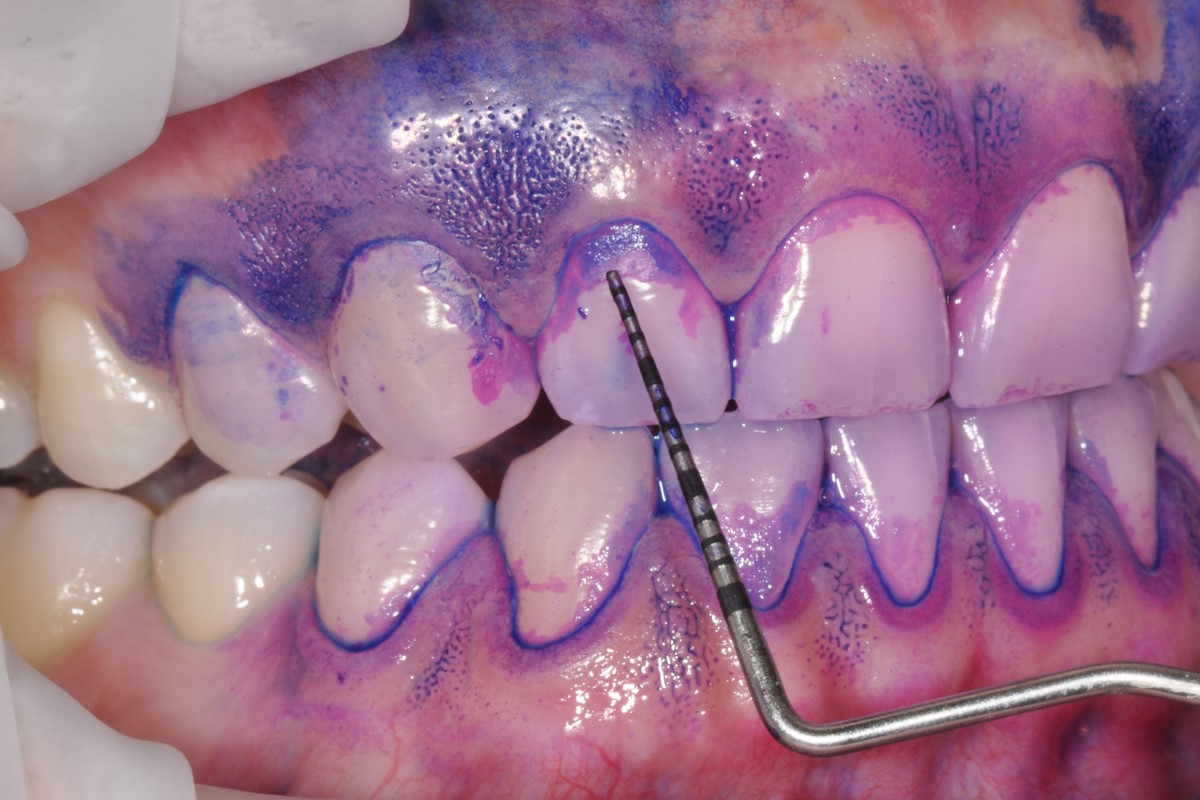
At Eau Claire Park Dental, we also use guided biofilm therapy (GBT), our gentle cleaning protocol that's both highly effective and completely safe for porcelain and Microthin veneers.
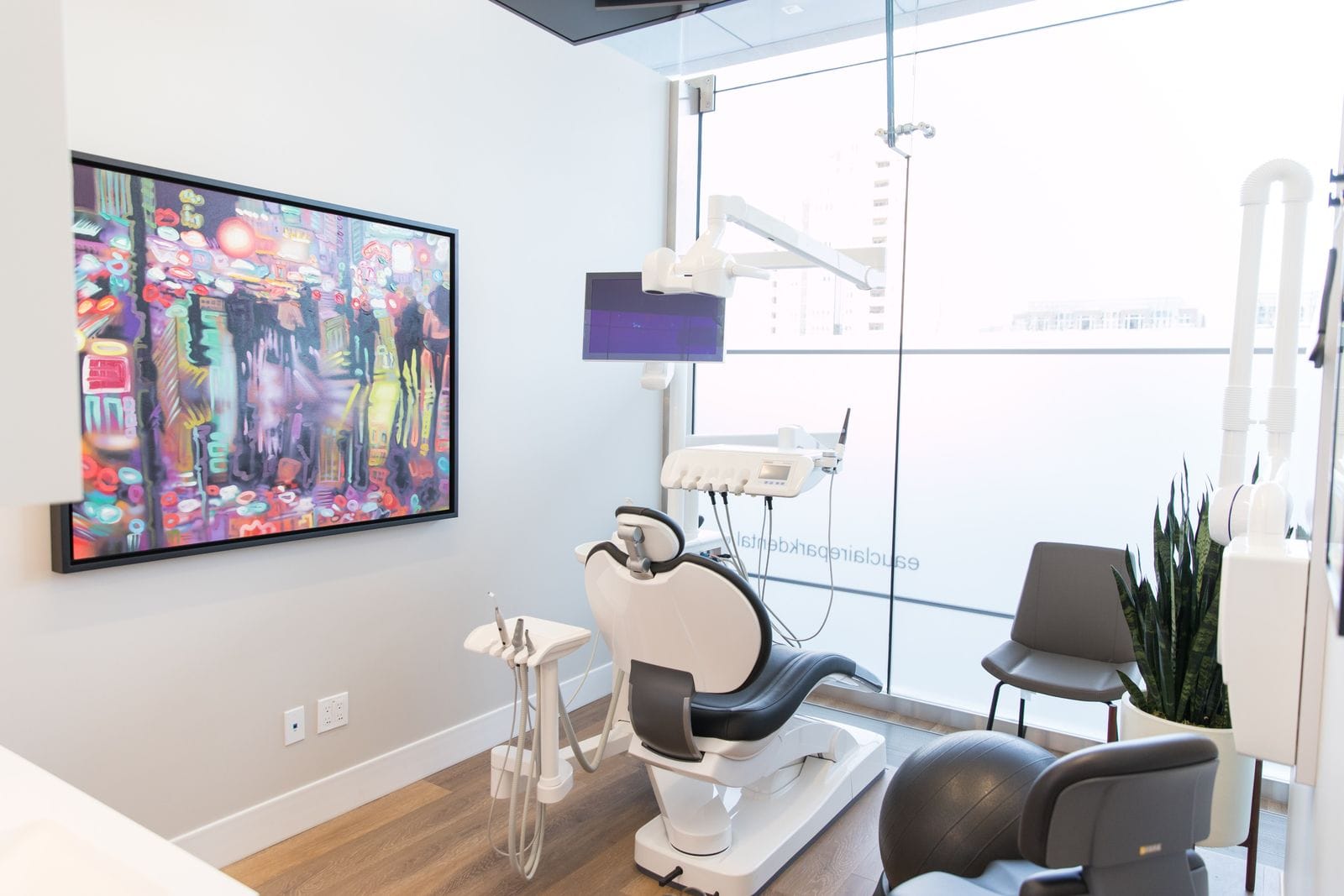
Our downtown Calgary treatment room.
Frequently Asked Questions About Dental Veneer Care
Do dental veneers require special care?
No, dental veneers don't require a specialized maintenance routine, but they do require a consistently good one. Brush twice daily with a soft-bristled toothbrush and non-abrasive toothpaste, floss once daily, use an alcohol-free mouthwash, and attend regular professional cleanings. Avoiding habits like biting ice, grinding without a nightguard, or using whitening products will help your veneers last as long as possible.
How long do dental veneers last?
Porcelain veneers typically last 10 to 15 years with proper care. Microthin (no-prep) veneers have comparable longevity; however, they can chip more easily than full-thickness veneers. Factors that affect lifespan include oral hygiene habits, whether a nightguard is worn if grinding is present, and the care taken to avoid biting into very hard foods. Some patients maintain their veneers well beyond 15 years.
Can I whiten my teeth if I have veneers?
At-home whitening products won't change the colour of porcelain veneers, as the bleaching agents in these products work only on natural enamel. Using them can create colour mismatches between veneered and non-veneered teeth and may affect the surface polish of your veneers. If you're looking to adjust your overall smile brightness after veneer placement, speak with your dentist about your options.
Do I need a nightguard with veneers?
If you grind or clench your teeth, a custom nightguard is strongly recommended. Bruxism creates significant pressure that can crack or chip veneers. A nightguard is one of the only ways to protect your veneers and your natural teeth during sleep.
Are Microthin veneers easier to care for than traditional veneers?
No, Microthin (no-prep) veneers follow the same care guidelines as traditional porcelain veneers: a soft toothbrush, non-abrasive toothpaste, daily flossing, and no biting ice or hard objects. Because no enamel is removed in the placement process, there is typically less post-placement sensitivity. One notable difference: Microthin veneers are reversible, meaning your natural enamel remains completely intact beneath them.
What foods should I avoid with dental veneers?
You don't need to eliminate food groups after getting veneers, but some habits are worth adjusting. Avoid biting directly into very hard foods like ice, hard candies, or crusty hard bread/pizza crust with your front teeth. Foods that stain natural teeth (coffee, red wine, berries) have less effect on porcelain veneers but can affect composite veneers and the natural teeth around them. Rinsing with water after consuming staining foods is a good habit.
Questions About Your Dental Veneers? We're Here to Help.
Whether you're preparing for veneer placement or looking after ones you've had for years, the team at Eau Claire Park Dental is happy to answer your questions. Dr. Graas takes a careful, enamel-first approach to every cosmetic case, and that same philosophy extends to how we help you care for your results over time.
To book a consultation or ask about your current veneers, request an appointment online.
Curious about how Dr. Graas approaches treatment decisions? Our philosophy on preventive dentistry is a good place to start.