Have you noticed any changes in your mouth since you started a GLP-1 medication? Some oral-related effects associated with GLP-1 medications like Ozempic include acid reflux, vomiting, and dry mouth, which can increase the likelihood of enamel erosion or tooth decay. Although these side effects are noted, most individuals who are on these medications only experience them rarely or to a mild degree.
In recent years, the use of GLP-1 medications has become much more common among Canadians, and Dr. Jennifer Graas from Eau Claire Park Dental has noticed an increase in patients on these medications, which has led to more questions about Ozempic and teeth during consultations.
Although she hasn’t noted many oral side effects in these patients, Dr. Graas thinks it is important for patients to know what to watch for and how to care for their teeth if they notice any mouth-related changes while on GLP-1 medications.
What People Are Unofficially Calling “Ozempic Teeth”
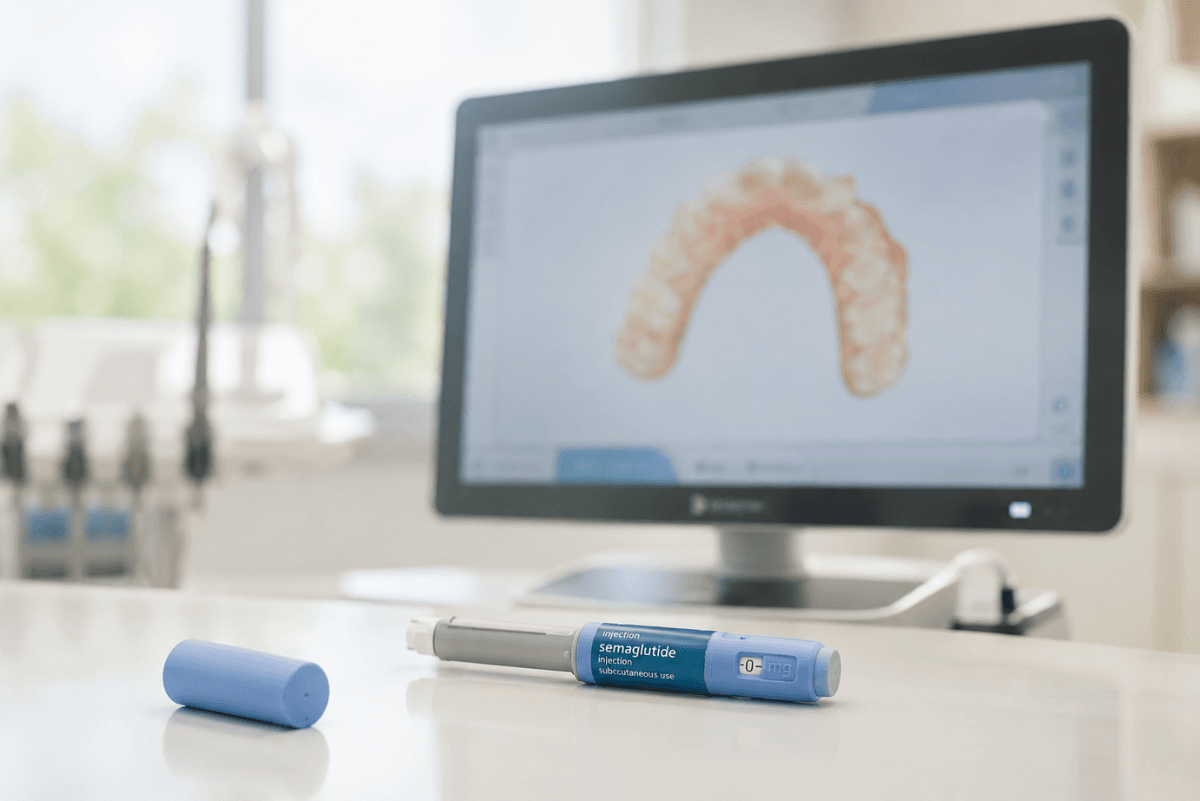
The term “Ozempic teeth” is an informal expression used online to describe oral health concerns some people associate with taking GLP-1 medications, including Ozempic, Wegovy, and Mounjaro.
Ozempic does not directly damage teeth; rather, some of its known side effects can lead to conditions that are adverse for your oral health. Since acid reflux and vomiting cause the enamel to come into contact with stomach acid, and dry mouth decreases saliva (which helps to neutralize acids and guard against cavities), this can be harmful to your teeth. Rapid appetite suppression can also lead to vitamin and mineral deficiencies, which can weaken gum health and healing.
For patients taking Ozempic or another GLP-1 medication, Dr. Graas recommends focusing on recognizing and managing these side effects if they occur.
How GLP-1-Related Acid Reflux Can Affect Your Teeth
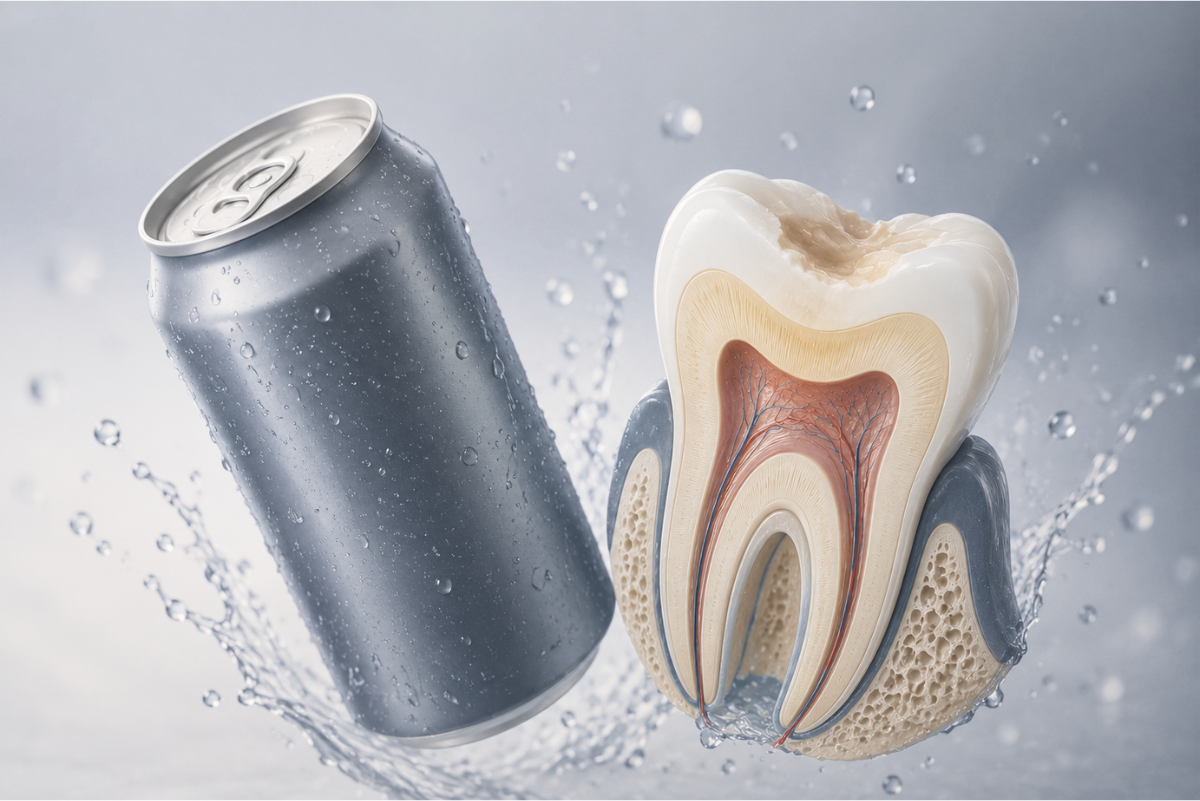
Acid reflux exposes your teeth to stomach acid, which can gradually weaken enamel. For patients taking a GLP-1, this is worth watching since gastroesophageal reflux disease (GERD) has been reported as a side effect of the medication.
Repeated acid exposure can lead to dental erosion, where minerals are gradually lost from the enamel. Since enamel can’t grow back once it’s lost, ongoing erosion may cause sensitivity and changes to the shape or appearance of your teeth. Vomiting can have a similar effect.
If you experience reflux or vomiting, avoid brushing your teeth right away. Instead, rinse your mouth with water and wait before brushing to avoid putting additional stress on acid-softened enamel.
Let your dental team know if reflux or vomiting becomes more frequent after starting a GLP-1 medication. Your dentist and hygienist will look for early signs of enamel erosion during your regular dental visits and recommend preventive care based on what we see.
Dry Mouth Can Increase Cavity Risk
Saliva plays an important role in protecting your teeth. It washes away food debris, helps neutralize acids and supports the natural remineralization of enamel.
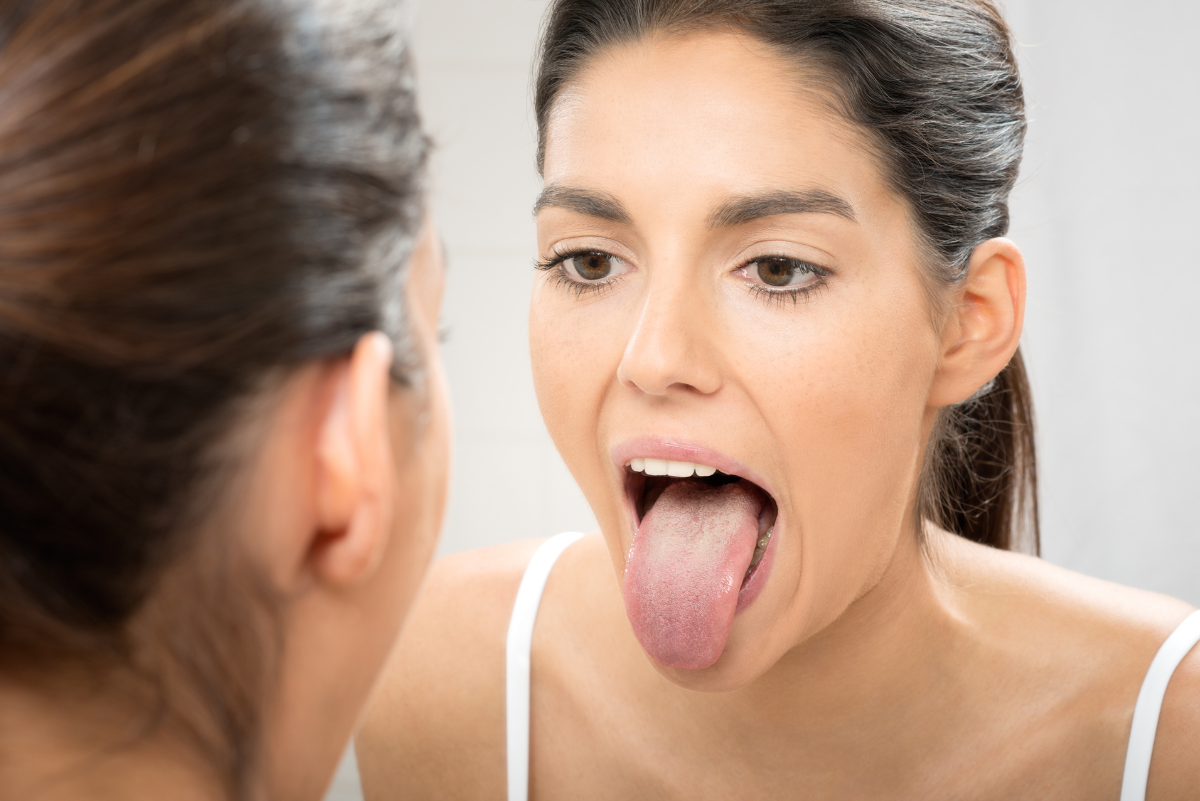
Some people taking GLP-1 medications experience dry mouth, clinically referred to as xerostomia. When saliva levels drop, teeth have less natural protection against acids and cavity-causing bacteria. Over time, chronic dry mouth can increase the risk of cavities and tooth sensitivity.
Maintaining hydration can help, especially if you're eating or drinking less since starting your medication. Chewing sugar-free gum containing xylitol can also help stimulate saliva production.
If dry mouth persists, mention it at your next dental appointment. Your dental team can assess your cavity risk and recommend preventive options, such as fluoride treatment or a specialized toothpaste designed to provide additional protection.
Fluoride Can Help Protect Enamel
Fluoride can give your teeth extra protection if they are being affected by dry mouth or acid exposure. It works by strengthening the enamel and making your teeth more resistant to cavities.
Depending on your cavity risk, your dentist or hygienist may recommend a toothpaste with a higher concentration of fluoride or a special product line, such as CariFree toothpaste, treatment rinse, and maintenance rinse.
Stick to your oral hygiene routine by brushing twice a day with fluoride toothpaste and flossing daily. If you want an extra level of protection, then include a water flosser in your daily routine.
Tell Your Dental Team About GLP-1 Medications
Ozempic and other GLP-1 medications belong on the medical history forms you provide your dental team. Your prescription and health information give your dentist useful context if new symptoms such as dry mouth, reflux, sensitivity or changes in enamel appear.
You don't need to stop or change a prescribed medication because of a dental concern unless your prescribing healthcare provider advises you to do so. Keep both your physician and your dentist informed about any changes in your oral health or medication side effects.
Oral Changes Worth Mentioning at Your Dental Appointment
Most people taking GLP-1 medications won’t develop significant dental concerns. Still, changes in your mouth can give your dental team useful information, especially if they appear after you start or change your medication.
It’s important to mention:
- Chronic dry mouth
- Frequent acid reflux
- Vomiting
- New tooth sensitivity
- Gum inflammation
Your dentist can examine for early signs of enamel erosion, decay, and other changes that may not be obvious yet.
Regular dental exams give your dentist the best opportunity to monitor small changes over time and adjust your preventive care as needed.
Protecting Your Teeth While Taking Ozempic or Other GLP-1s
Understanding the link between GLP-1 medications like Ozempic and your teeth gives you a head start on prevention. Watch for persistent dry mouth, frequent reflux, vomiting, new oral sensitivities, or an unexpected increase in cavities. Those changes give your dental team useful information about whether your preventive routine requires adjustment.
If you're taking a GLP-1 medication and have noticed changes in your mouth, talk to the Eau Claire Park Dental team at your next appointment about your oral health and preventive options.