TL;DR
True preventive dentistry follows the principle of preserve first, restore second, replace last. The right dentist takes time to show you what they’re seeing, explain why treatment is needed, and discuss what happens if you monitor versus treat immediately.
Preventative dentistry is about catching small issues early, preserving as much natural tooth structure as possible, and helping you maintain your oral health for decades to come. This is evident in how a practice diagnoses, communicates, and approaches treatment decisions.
Knowing what genuine preventive dentistry looks like in practice makes it easier to recognize when you’ve found a provider whose philosophy aligns with your own.
What Preventive Dentistry Means
At its core, preventive dentistry means doing the least invasive intervention necessary to keep your teeth healthy and functional for life.
The guiding principle is preserve first, restore second, and replace last.
Preserve means protecting the tooth structure you have through education, hygiene, and monitoring. This includes regular cleanings, fluoride treatments when beneficial, sealants for vulnerable teeth, and catching decay when it's still reversible.
Restore means intervening with fillings, crowns, or other treatments only when necessary to stop active disease or repair damage. Even then, a preventive approach removes the minimum amount of tooth structure required.
Replace is the last resort, reserved for teeth that truly can't be saved or restored effectively.
The difference between practices shows up in how they diagnose, communicate, and approach treatment decisions. Some prioritize immediate intervention, while others take a more conservative, wait-and-see approach when appropriate.
What Preventive Dentistry Looks Like in Practice
At Eau Claire Park Dental, the commitment to preserving natural tooth structure shapes every treatment decision.
✔️ Comprehensive exams that assess risk. A preventive dentistry exam isn't just looking for cavities. It includes evaluating your gum health, bite alignment, wear patterns, oral cancer screening, and risk factors like dry mouth or grinding. Understanding why problems develop helps prevent them from recurring.
✔️ Conservative treatment when intervention is needed. When a patient has early decay, the first question is whether it can be remineralized with better home care and fluoride. When a filling is needed, the goal is to remove only the decayed portion and preserve healthy enamel. When a tooth is cracked, the treatment matches the severity (a small crack might need monitoring or a bonded restoration; more severe cracks may require a crown).
✔️ An environment designed for calm, unhurried care. Preventive dentistry requires time and attention. The downtown Calgary clinic prioritizes thorough exams and patient conversations over rushed appointments.
Take a virtual tour of our downtown Calgary practice.
✔️ Technology that supports early detection. Eau Claire Park Dental uses intraoral cameras and digital X-rays that make it easier to show our patients exactly what's happening in their mouths. Guided Biofilm Therapy (GBT) removes plaque and tartar gently and thoroughly, reducing inflammation and preventing the gum disease that leads to more invasive treatment down the line. This technology enables earlier detection and less invasive treatment, both central to effective preventive dentistry.
✔️ Patient education is a priority. You'll leave appointments understanding what's going on, what to watch for, and how your daily care routines affect your long-term oral health. Preventive dentistry only works when patients are active participants in their care.
What to Look for in a Preventive Dentistry Practice
Questions to Ask When Choosing a Preventive Dentistry Practice
If you're looking for a dentist in Calgary who won't overtreat you, here are the questions to ask during your first visit:
What's your philosophy on watchful waiting versus immediate treatment?
A good answer acknowledges that not everything needs to be fixed right away and that monitoring is sometimes the best choice.
How do you decide when a filling needs to be replaced?
You want to hear about specific clinical criteria (decay underneath, cracks, breakdown) rather than age or appearance alone.
What's the most conservative treatment option for this problem?
Ensure you discuss all treatment options with your dentist to understand the risks and benefits of each option.
Can you show me what you're seeing?
Intraoral cameras and X-rays should be used to educate you, not just to document findings.
What happens if I wait on this treatment?
A preventive approach will give you an honest answer about urgency and consequences, not just push for immediate scheduling.
How Unnecessary Treatment Creates Future Problems
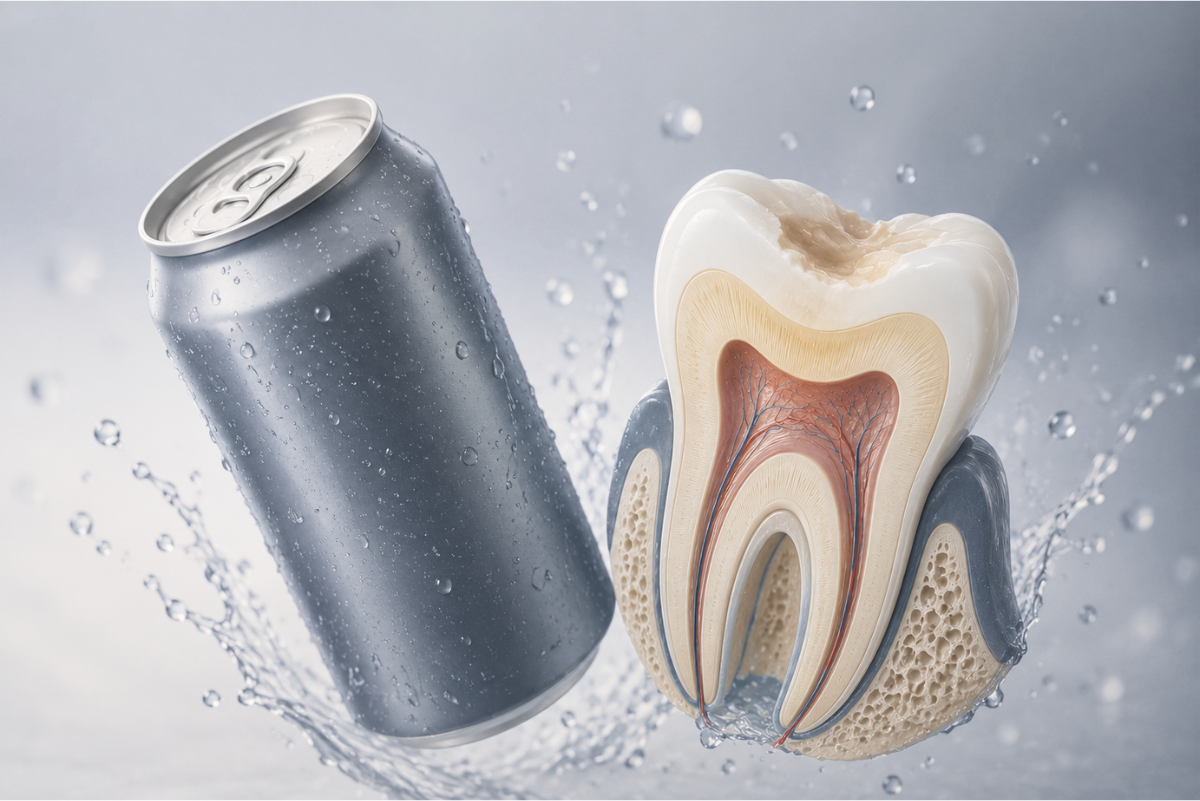
Fillings eventually need replacement. Replaced fillings get bigger. Bigger fillings may eventually need crowns. Teeth with large fillings are more prone to root canals. Root canals sometimes fail, leading to extraction.
A preventive dentistry approach breaks this cycle by intervening only when truly needed and using the most conservative method that will work. Over a lifetime, this means keeping more of your natural teeth, spending less on dental work, and avoiding the complications that come with over-treatment.
Finding a Prevention-Focused Dentist in Calgary
Preventive dentistry requires trust. You need to believe your dentist has your best interests in mind and isn't recommending treatment just to fill the schedule.
At Eau Claire Park Dental, that trust is built through transparency. Dr. Jennifer Graas shows you what she's seeing, explains her recommendations in plain language, and respects your timeline and budget. If something can wait, she'll tell you. If a conservative approach makes sense, that's where we will start.
A consultation gives you the opportunity to discuss your concerns, understand your current oral health status, and get a second opinion if you've been told you need extensive work. We'll review your X-rays, talk through any proposed treatment, and help you understand what's truly necessary versus what can be monitored.
Contact Eau Claire Park Dental to schedule an appointment with Dr. Graas.
Whether you're looking for a new dentist in downtown Calgary or seeking a second opinion on recommended treatment, we'll give you an honest assessment based on genuine preventive dentistry principles.