An abrasive toothpaste list might not be something you’ve ever thought to consult before grabbing a tube off the shelf, but it probably should be. Many toothpastes achieve their results by physically scrubbing away surface stains, but that daily abrasion can add up to permanent enamel damage.
Your toothpaste shouldn’t be a trade-off between a brighter smile and the long-term health of your teeth. Here’s what to look for and what to avoid.
What is Toothpaste Abrasion? A Look at RDA
Every toothpaste needs some level of abrasiveness to be effective. The gentle scrubbing action removes the daily buildup of plaque and surface stains for coffee, tea, and food.
The abrasiveness of a toothpaste is measured on a scale called Relative Dentin Abrasivity, or RDA. This scale was developed to quantify how much tooth structure is worn away by a specific paste over a certain period of brushing.
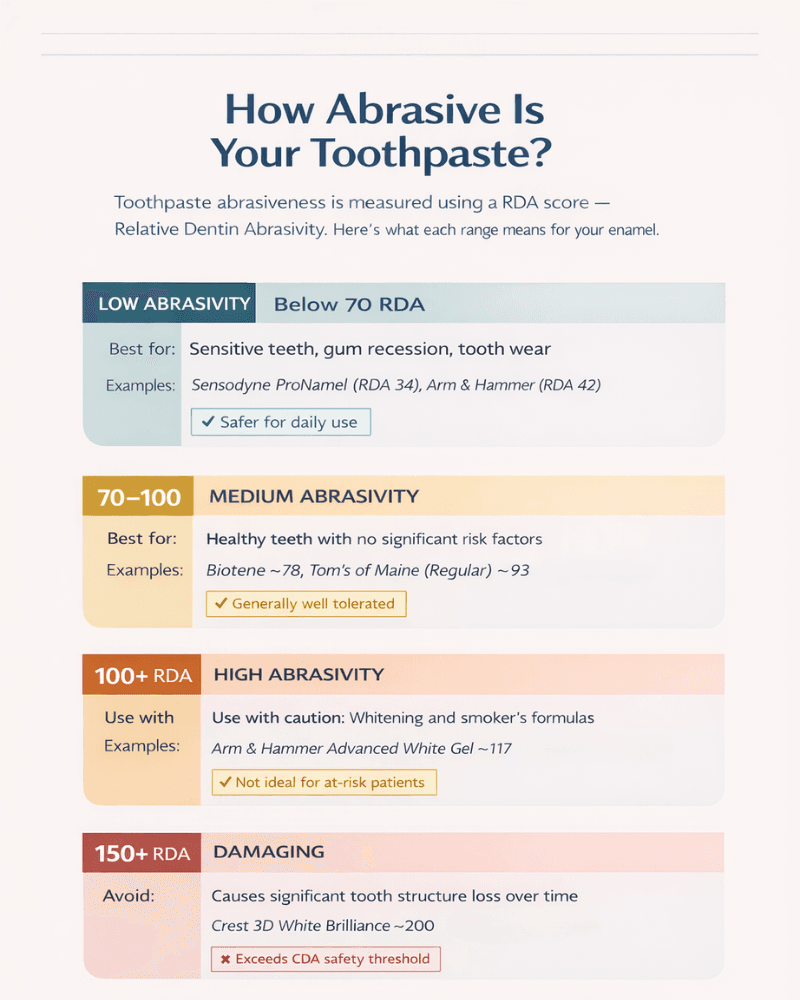
The Canadian Dental Association has set guidelines for RDA values to help consumers make safe choices. There is a general safety limit of 250 RDA, meaning any product above this level is considered to cause significant damage to tooth structure. Other guidelines are as follows:
- 0-70: Low Abrasivity. These toothpastes are considered very gentle and are ideal for anyone with sensitive teeth, exposed root surfaces from gum recession, or significant tooth wear. They clean effectively without putting your enamel at risk.
- 70-100: Medium Abrasivity. This is a common range for many standard toothpastes. They offer a good balance of cleaning power and safety for individuals with healthy teeth and no significant risk factors.
- 100-150: Highly Abrasive. Toothpastes in this category are typically whitening or "smoker's" formulas. While they’re effective at removing surface stains, they can be too harsh for daily, long-term use.
The challenge for consumers is that toothpaste manufacturers aren’t required to print the RDA value on the box, which makes it difficult to make an informed choice right at the store shelf. While some brands willingly share this data, for many others, the information comes only from independent studies.
Abrasiveness Toothpaste List
While RDA values can change as toothpaste formulations are updated, certain product types consistently test higher on the scale. Whitening toothpastes, in particular, often rely on abrasive particles like hydrated silica or calcium carbonate to physically polish away stains.
Here are some commonly reported RDA values to give you an idea of the range:
Highly Abrasive (Over 100 RDA):
- Crest 3D White Brilliance: ~ 200
- Crest Vivid White: ~ 187
- Arm & Hammer Advanced White Gel: ~ 117
- Colgate Optic White: ~ 100
Moderately Abrasive (70-100 RDA):
- Colgate Total: ~ 70
- Biotene: ~ 78
- Aquafresh Sensitive: ~ 91
- Tom’s of Maine (Regular): ~ 93
Low Abrasive (Below 70 RDA):
- Sensodyne ProNamel: ~ 34
- Arm & Hammer PeroxiCare: ~ 42
- Sensodyne Fresh Mint: ~ 51
- Colgate Sensitive Enamel Protect: ~ 63
Note: This isn’t meant to serve as a “do not use” list. Instead, it illustrates how widely abrasiveness can vary, even within the same brand. A high RDA value doesn't automatically mean a toothpaste is “bad” for everyone. However, it does mean certain people should take caution.
Who Should Use Caution with Abrasive Toothpaste?
For some, using a highly abrasive toothpaste might not cause noticeable issues. For others, it can accelerate wear and create serious problems. You’re at higher risk if you fall into one of these categories:
- You Grind Your Teeth (Bruxism): Grinding or clenching puts immense pressure on your teeth, often leading to microscopic cracks and wear on the chewing surfaces. This already-weakened enamel is far more susceptible to being worn away by an abrasive paste. Combining heavy grinding with a harsh toothpaste is a recipe for rapid tooth destruction.
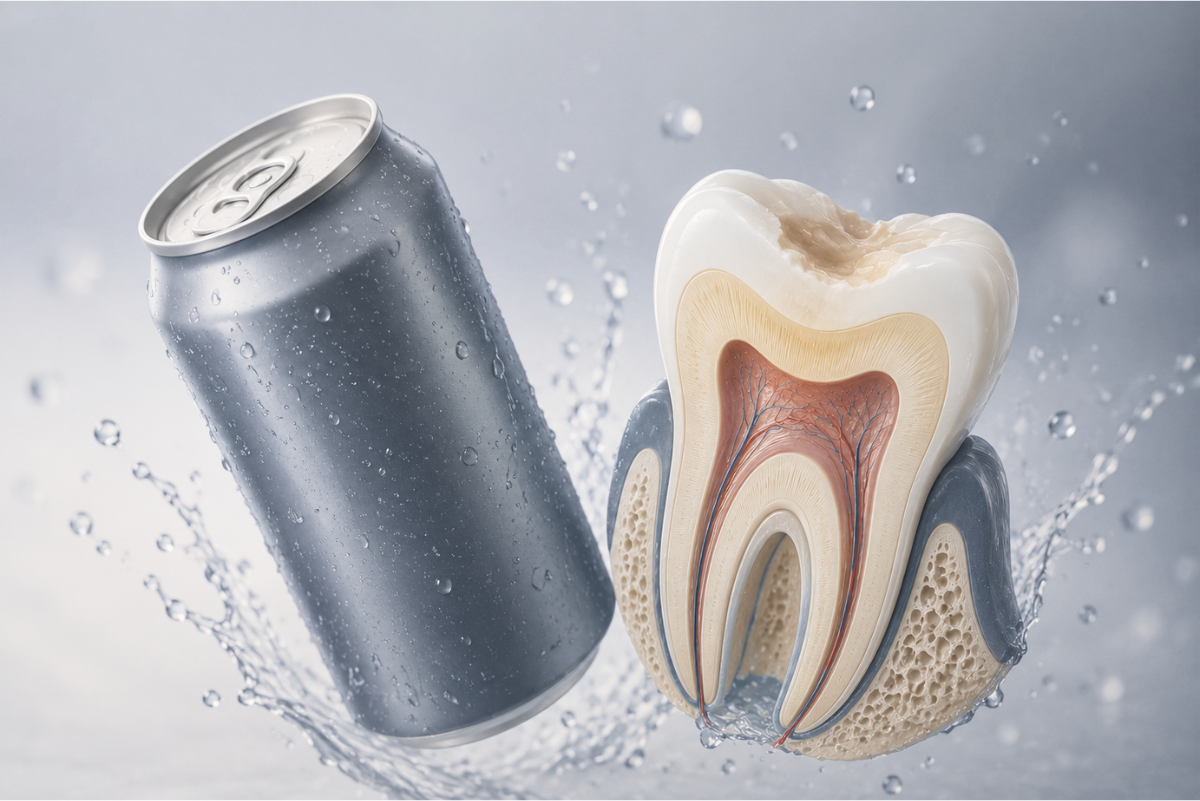
- You Have Acid Wear (Erosion): Dietary or health-related acid exposure (from things like citrus fruits, sodas, or acid reflux) softens the outer layer of your enamel. Brushing with an abrasive toothpaste, especially right after an acid exposure, can scrub away this softened layer of enamel before it has a chance to reharden. This is one of the most common ways people inadvertently damage their teeth.
- You Have Gum Recession: When gums recede, they expose the root surface of the tooth. This surface, called dentin, is much softer than enamel and has an RDA value that is 5 to 7x lower than enamel. Using a highly abrasive toothpaste on exposed roots can quickly cause notching and sensitivity.
- You Have Tooth Sensitivity: Sensitivity is often a sign of worn enamel or exposed dentin. Using an abrasive toothpaste can worsen the condition by further stripping away the protective layers of your teeth, leading to increased pain and discomfort.
Toothpaste choice should be customized to your specific risks and needs. If you have tooth wear or sensitivity, look for a toothpaste with an RDA less than 70.
Dr. Graas Recommends
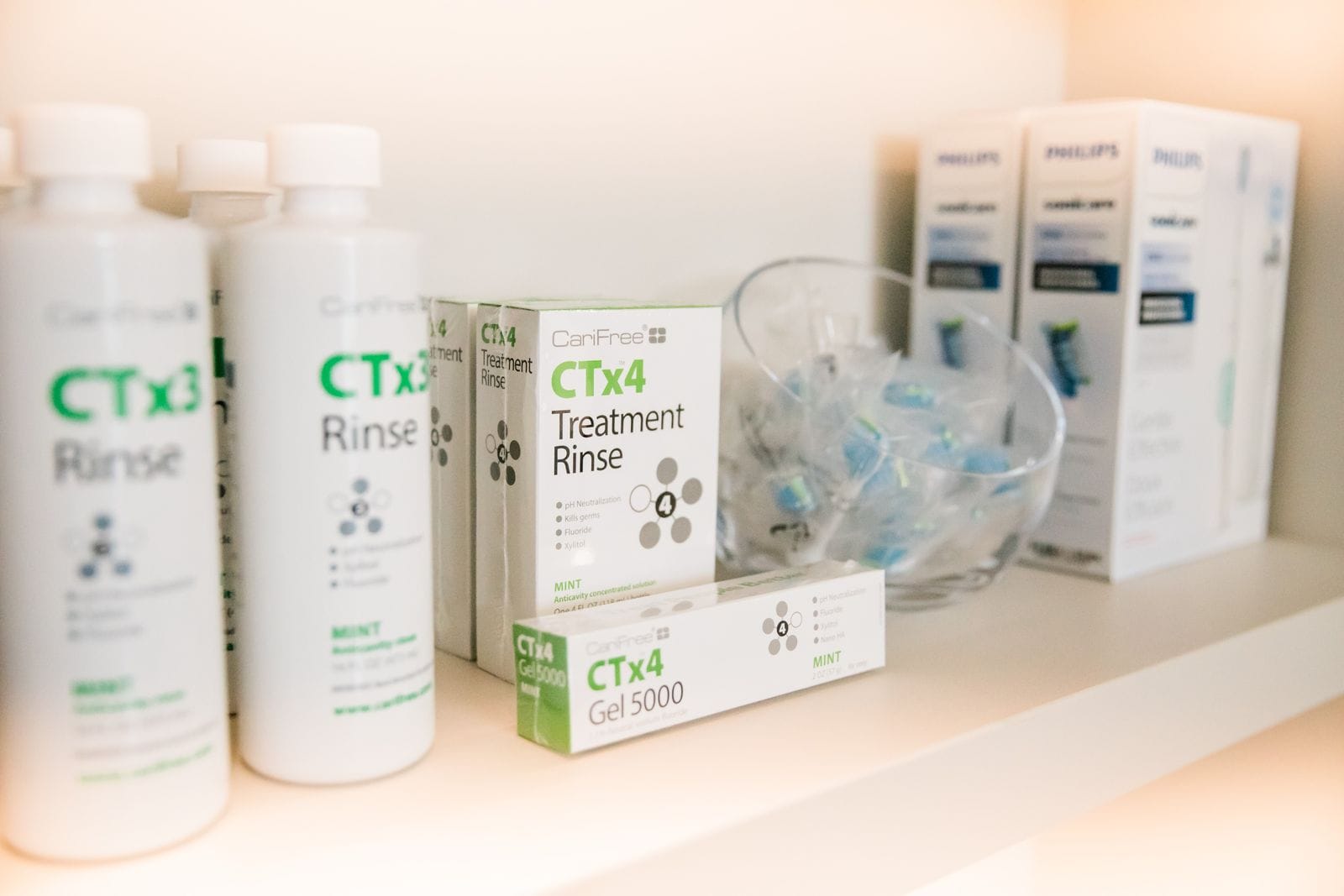
CariFree CTX4 5000
If you're looking for a low-abrasion toothpaste that goes beyond basic cleaning, this is the one Dr. Graas reaches for. It's non-abrasive and combines pH neutralization, xylitol, fluoride, and nano-hydroxyapatite; ingredients that actively support enamel repair and cavity prevention.
The Smarter Alternative to Whitening Toothpastes
Many people reach for abrasive whitening toothpastes because they want a brighter smile. The problem is that these toothpastes can only remove extrinsic (surface) stains. They can't change the intrinsic colour of your teeth. Scrubbing away enamel is a high price to pay for a subtle change in shade.
Professional whitening is a much safer and more effective alternative. These treatments, whether done in-office or with custom take-home trays, use peroxide-based agents (like carbamide peroxide or hydrogen peroxide). The whitening agents penetrate the enamel and break down the discoloured molecules inside the tooth, changing its intrinsic colour without relying on abrasion at all.
The difference in results is significant. Professional whitening can lighten teeth by several shades, which no toothpaste can match. A dentist can also adjust the treatment based on your specific goals and sensitivity, making it a far more controlled process than grabbing a box off the shelf.
Choosing a Toothpaste That Works for Your Teeth
Your toothpaste is a daily tool for your oral health. Start with a low-abrasion toothpaste (RDA under 70) for your daily cleaning. It will protect your enamel while still removing plaque effectively. If you want to address staining, talk to your dentist about professional whitening. At Eau Claire Park Dental, we can assess your specific situation and recommend an option that gets you the whitening results you want without compromising your enamel in the process.
Reach us today to request your appointment.